
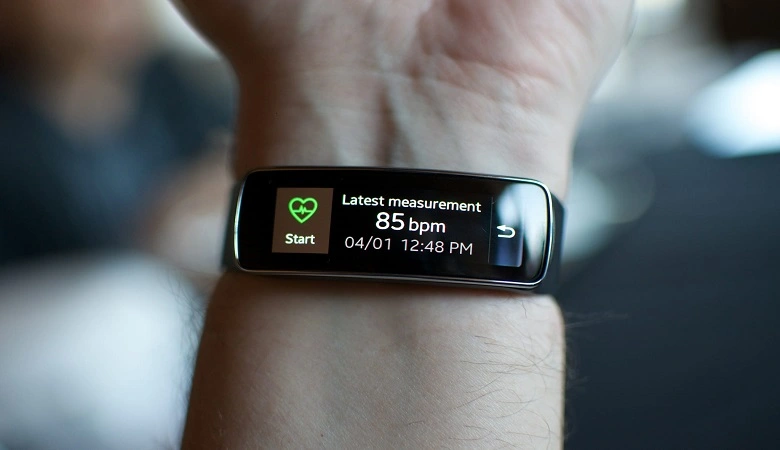
Fitness Tracker Technologies in 2024: Innovations and Trends
In 2024, fitness tracker technology has significantly evolved, focusing on improved accuracy, versatility, and user engagement. From smart rings to AI-driven features, the landscape of fitness wearables has diversified to meet a wide range of user needs. Here’s an in-depth look at the technologies and trends shaping the fitness tracker market this year.
1. Advanced Health Monitoring Features
- Multi-Sensor Integration: Fitness trackers now feature an array of sensors to monitor metrics such as heart rate, blood oxygen levels, sleep quality, and even stress. Devices like Garmin's HRM-Fit and Casio's G-Shock Rangeman GPR-H1000 provide precise tracking for outdoor activities and specialized user groups, including women-specific designs.​
- Continuous Glucose Monitoring (CGM): The integration of CGM into fitness trackers helps users monitor blood sugar levels in real time, aiding individuals with diabetes or those looking to optimize energy levels during workouts.
2. AI and Machine Learning.
- Predictive analytics are becoming common, with wearables suggesting recovery times or alerting users to potential health risks based on long-term data trends.
3. Focus on Mental Health
- New fitness trackers emphasize mental wellness, integrating features like guided meditation, stress reduction exercises, and mood tracking. This aligns with the growing demand for holistic health solutions that combine physical and mental well-being.
4. Miniaturization and Wearability
- Smart Rings: Compact alternatives to traditional fitness bands, smart rings like the Amazfit Helio and Evie provide advanced health-tracking capabilities in a less obtrusive format. These devices appeal to users seeking minimalist designs without compromising functionality.
. - Fitness Jewelry: Beyond functionality, companies are focusing on aesthetics, offering trackers that double as fashionable accessories.
5. Customization and Personalization
- Fitness trackers now allow users to tailor settings to specific activities, from yoga and strength training to high-intensity interval training (HIIT). The ability to adapt to various fitness levels and goals has expanded the appeal of these devices.
6. Integration with Other Technologies
- Many devices seamlessly sync with smartphones, smart home systems, and other fitness equipment, offering a connected fitness ecosystem. This enhances user experience by providing a centralized hub for tracking and analyzing data.
- Integration with corporate wellness programs is also on the rise, enabling companies to encourage employee fitness through subsidized wearables.​
.
7. Wearables for All Ages
- Older Adults: Fitness programs tailored for older users are growing, with devices offering features like fall detection, balance tracking, and gentle activity prompts​
. - Youth-Oriented Devices: Kid-friendly trackers focus on promoting activity through gamification and parental controls.
8. Sustainability and Durability
- With environmental concerns gaining prominence, companies are incorporating sustainable materials and practices in manufacturing fitness trackers.
- Many devices now offer longer battery life and rugged designs to withstand extreme conditions, catering to outdoor enthusiasts and professionals.
.
9. Subscription Models
- Many brands have adopted subscription-based models for premium features like detailed analytics and personalized coaching. While this offers enhanced value, it also raises concerns about affordability for casual users.
10. Future Prospects
- Innovations such as non-invasive blood pressure monitoring and hydration tracking are expected to debut soon. These advancements will further expand the utility of fitness trackers across diverse health and wellness applications.
Fitness tracker technology in 2024 reflects a shift toward comprehensive, user-centered solutions beyond basic activity tracking. Whether AI coaching, mental health integration, or sustainable designs, the latest devices cater to various needs, solidifying their role as essential tools in modern health management.
.webp)