
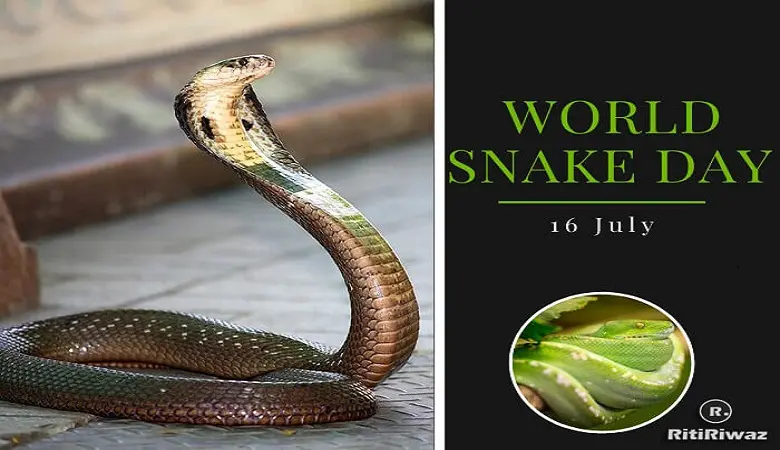
Celebrating World Snake Day in the UK
Understanding and Appreciating Our Slithery Friends
Every year on July 16th, snake enthusiasts and conservationists around the globe celebrate World Snake Day. This day is dedicated to raising awareness about the importance of snakes in our ecosystems, dispelling common myths, and promoting their conservation. In the UK, World Snake Day provides a unique opportunity to learn more about these fascinating reptiles and their role in British wildlife. Join us as we explore the significance of World Snake Day and how you can participate in the celebrations.
The Importance of Snakes
Snakes are often misunderstood creatures, but they play a crucial role in maintaining the balance of ecosystems. Here are a few reasons why snakes are important:
1. Pest Control
Snakes help control the population of rodents and other small animals that can become pests. By keeping these populations in check, snakes contribute to reducing the spread of diseases and protecting crops.
2. Biodiversity
Snakes are an integral part of the food web. They serve as both predators and prey, supporting the biodiversity of their habitats. Their presence indicates a healthy, functioning ecosystem.
3. Medical Advancements
Snake venom has been used in the development of life-saving medications, including treatments for blood pressure, heart attacks, and strokes. Research into snake venom continues to provide valuable insights for medical science.
Snakes in the UK
The UK is home to several native snake species, each with its own unique characteristics and ecological significance. The three main species found in the UK are:
1. Adder (Vipera berus)
The adder is the UK's only venomous snake, but it is generally shy and poses little threat to humans. Adders are most commonly found in heathlands, woodlands, and moorlands.
2. Grass Snake (Natrix helvetica)
Grass snakes are non-venomous and are often found near water bodies such as ponds, lakes, and rivers. They are excellent swimmers and primarily feed on amphibians and fish.
3. Smooth Snake (Coronella austriaca)
The smooth snake is the rarest of the UK's native snakes and is mainly found in heathland areas in southern England. It is non-venomous and preys on small reptiles and mammals.
How to Celebrate World Snake Day in the UK
World Snake Day is a fantastic opportunity to learn more about these incredible reptiles and contribute to their conservation. Here are some ways you can celebrate:
1. Visit a Nature Reserve or Wildlife Park
Many nature reserves and wildlife parks across the UK host special events and activities for World Snake Day. These can include guided tours, talks by herpetologists, and interactive displays. Visiting these places can provide a hands-on learning experience and a chance to see native snake species up close.
2. Attend Educational Workshops
Look for workshops and seminars hosted by wildlife organizations, zoos, and conservation groups. These events often feature experts who share insights into snake behavior, ecology, and conservation efforts.
3. Support Conservation Efforts
Consider donating to or volunteering with organizations dedicated to snake conservation. The Amphibian and Reptile Conservation Trust (ARC) and other local wildlife groups work tirelessly to protect snake habitats and educate the public about the importance of these reptiles.
4. Spread Awareness
Use social media platforms to share information about World Snake Day and the importance of snakes in the ecosystem. Educate your friends and family about common myths and facts related to snakes.
5. Create a Snake-Friendly Garden
Encourage biodiversity in your own backyard by creating a snake-friendly environment. Provide natural habitats such as log piles, rockeries, and ponds to attract snakes and other wildlife.
Debunking Myths About Snakes
World Snake Day is also a great time to address some common misconceptions about snakes. Here are a few myths and the truths behind them:
Myth 1: All Snakes Are Dangerous
Truth: Most snakes are non-venomous and pose no threat to humans. Even venomous snakes, like the adder, are not aggressive and will usually avoid human contact.
Myth 2: Snakes Are Slimy
Truth: Snakes have dry, scaly skin. The texture of their scales can be quite smooth to the touch.
Myth 3: Snakes Are Aggressive
Truth: Snakes are generally shy and will only bite if threatened or provoked. They prefer to avoid confrontation and will often flee when given the chance.
Conclusion
World Snake Day in the UK is an important occasion to celebrate and protect these often misunderstood reptiles. By learning about their ecological roles, debunking myths, and participating in conservation efforts, we can help ensure that snakes continue to thrive in our natural habitats. So, this July 16th, take some time to appreciate the beauty and importance of snakes, and join the global movement to support their conservation. Happy World Snake Day!
.webp)